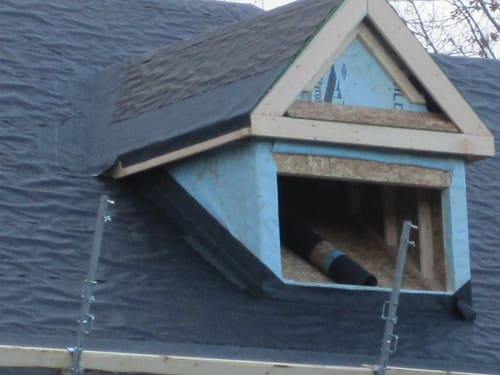
Roof-plane photos and condition findings for leaks, moss, wind damage, real-estate questions, skylights, gutters, maintenance, and replacement planning.
A roof inspection in Beaverton should turn an uneasy observation into a short list of roof
facts. Maybe the north slope is green with moss, a bedroom stain appears after wind-driven
rain, or fir needles sit deep in a valley that cannot be seen from the yard. Call
(971) 298-7833 for a basic inspection with
photo findings and a repair, maintenance, or monitor recommendation tied to those findings.
Begin With the Symptom and Its Timing
The best inspection starts before anyone climbs. Note the room where water appears, the roof
direction above it, whether the stain changes during calm or windy rain, and how long the
roof stays wet afterward. Mention past repairs, known roof age, skylights, chimneys, low-slope
additions, and gutter overflow. Those details help the contractor inspect a complete water
path instead of collecting disconnected roof photos.
Exterior Checks Follow Water From Ridge to Gutter
The roof review covers shingle fields, ridge caps, valleys, sidewalls, chimney and skylight
flashing, pipe boots, vents, exposed fasteners, low-slope transitions, roof edges, gutters,
and downspout outlets. Moss, lichen, and fir-needle buildup are documented by location. On
storm calls, the inspector also looks for broken seals, lifted tabs, branch scrapes, damaged
vents, and rain openings that may be invisible from the driveway.
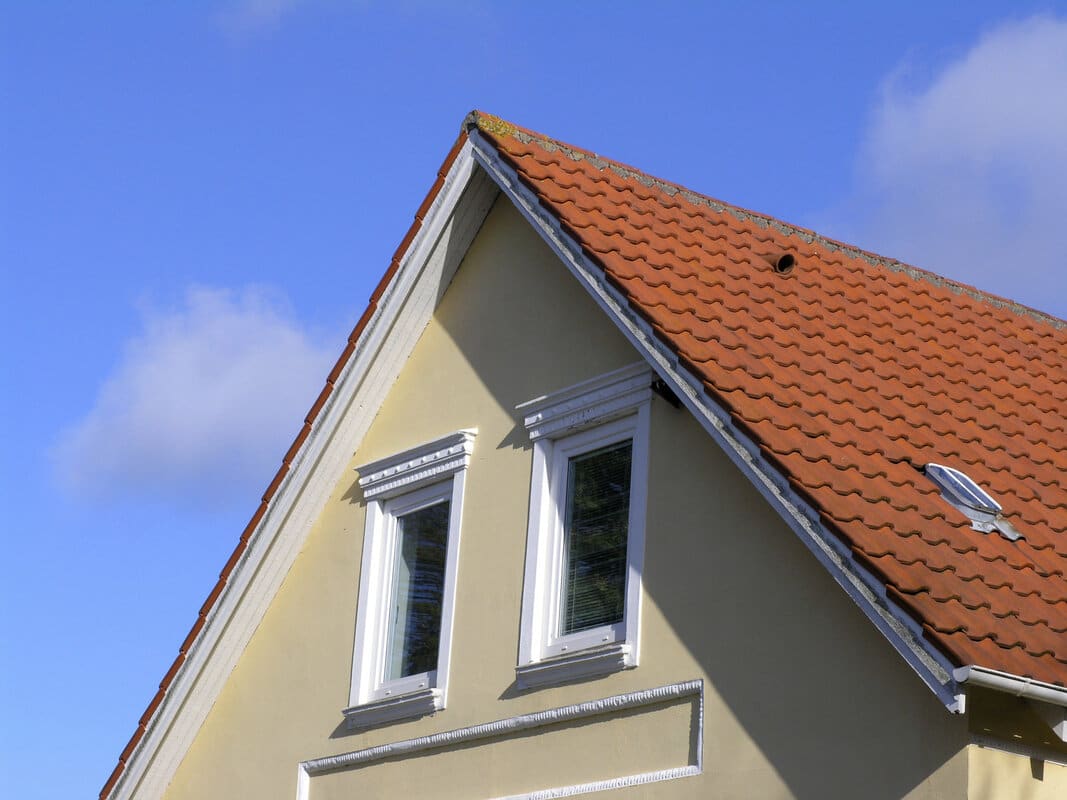
Wide photos establish the slope and roof feature. Close views show the actual split, gap,
buildup, or wear. That combination matters. A close-up without location makes it difficult
to compare a quote with the roof, while a distant image may not show why a detail needs work.
Attic Evidence Can Separate a Leak From Condensation
When attic access is safe and available, the inspection may identify dark water trails,
wet insulation, rusty fasteners, light at a penetration, or sheathing that has become soft
after repeat wetting. It can also reveal ventilation or exhaust conditions that add interior
moisture. The purpose is to distinguish an exterior opening from a moisture problem before
prescribing leak repair in the wrong place.
Moss Findings Need Condition, Not a Color Judgment
Green growth alone does not prove that a roof needs replacement. The inspection should show
whether moss is thin and superficial, packed beneath tabs, blocking a valley, breaking
shingle seals, or hiding damaged edges. Pressure washing asphalt shingles can strip granules.
When the field remains sound, moss-safe maintenance may be
enough. Lifted shingles or soft decking change the scope.
A useful photo report pairs roof-plane context with close views of each finding.
Use Four Buckets for the Findings
Immediate items include active entry points, open flashing, unstable storm damage, and
conditions that need a dry-in. Repair items may include boots, isolated shingles, valley or
chimney details, and limited decking. Maintenance covers appropriate debris and moss work.
Monitor items are serviceable details that deserve another look later. Replacement planning
belongs in its own category when widespread wear makes individual repairs unreliable.
Choose the Report That Fits the Decision
A no-cost basic inspection with photo findings is suited to a normal service request. Paid
real-estate or detailed written reports commonly fall in the $250-$450 range and may require
a different format or delivery schedule. Confirm what will be inspected, whether attic access
is included, what document you will receive, and whether the fee changes before booking.
Turn the Photos Into a Comparable Written Scope
Each quoted repair should point back to a location and condition shown in the report. Compare
materials, deck assumptions, cleanup, scheduling, and workmanship terms. The
Beaverton cost guide explains the market planning ranges,
while replacement guidance covers the larger decision when
several roof planes are near the end of service life.
The inspection has done its job when you can explain what is wrong without repeating a sales
pitch. You should know what needs action, what can wait, what should be watched, and which
photos support each conclusion. If the roof is sound for now, that conclusion is useful too.
Frequently Asked Questions
What is the difference between a basic inspection and a detailed roof report?
A basic inspection is no-cost and includes photo findings for a repair or maintenance conversation. A detailed written or real-estate report may include formal condition notes and commonly costs $250-$450. Confirm the deliverable and fee before scheduling.
Can roof photos show how urgent a problem is?
Photos can distinguish an open leak source, damaged flashing, lifted shingles, moss, debris, and general wear, but urgency also depends on active indoor water and hidden decking. The written notes should sort immediate work from maintenance and monitor-only items.
Should the attic be checked when the roof surface looks sound?
When access is available, attic evidence can reveal water staining, dark sheathing, wet insulation, poor ventilation, or a penetration gap that is difficult to confirm from above. An attic check is especially useful for intermittent or wind-driven leaks.
Will an inspection tell me to leave the roof alone?
It can. A credible inspection may find no repair need, recommend debris clearing or moss-safe maintenance, identify one contained repair, or advise replacement planning. The condition shown in the report should support the outcome.