Follow roof runoff through pitch, hangers, outlets, downspouts, fascia, and final discharge before repairing or replacing seamless aluminum runs.
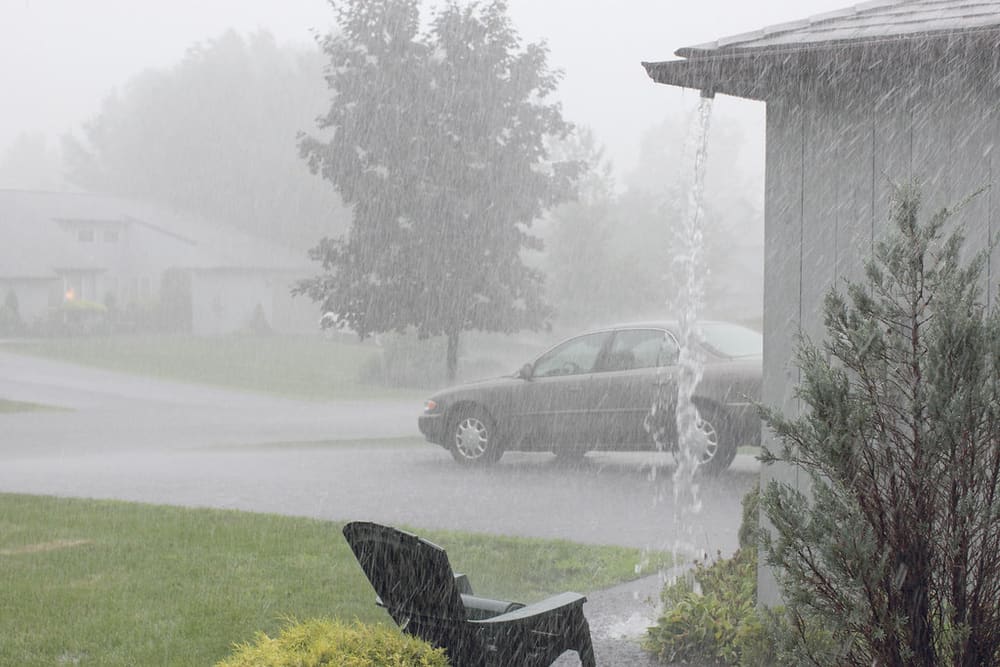
A Beaverton gutter problem becomes obvious in steady rain: water sheets over one corner,
slips behind the trough, or pours from a seam while the downspout barely moves. Fir needles
and roof grit may be part of the blockage, but pitch, outlet size, loose hangers, and damaged
fascia can create the same symptom. Call
(971) 298-7833 for an inspection that follows
runoff from the roof plane through the outlet and away from the house.
Overflow Is a Symptom With Several Possible Causes
Debris is the first suspect, especially beneath fir trees, yet a clean gutter can still
overflow. A low spot holds standing water. A run pitched away from the outlet drains slowly.
A crushed outlet or downspout restricts flow. A roof valley may discharge more water into a
short section than the trough can carry. The repair should correct the measured failure
rather than adding sealant to a system that cannot drain.
Water Behind the Trough Can Damage the Roof Edge
When runoff travels behind a gutter, it wets fascia, roof-edge sheathing, and nearby trim.
The cause may be a loose hanger, wrong gutter height, failed edge metal, or an opening where
water bypasses the system. Soft wood cannot hold new fasteners reliably, so the quote should
state whether fascia or roof-edge repair must happen before the gutter is rehung.
Interior staining near an outside wall deserves a broader check. Water may be backing under
the eave, entering at a flashing detail, or following siding after overflow. Pair drainage
work with roof leak tracing when the symptom has crossed
inside the house.
Repair the Sound System; Replace the Failed Runs
Isolated leaks, loose hangers, separated corners, damaged outlets, and correctable pitch can
support a limited repair. Replacement makes more sense when long runs are bent, seams fail
repeatedly, the profile is inadequate for the roof discharge, or widespread fascia trouble
prevents secure rehanging. The contractor should explain why the chosen scope is more durable
than another spot repair.
Downspout Routing Decides Where the Roof Water Ends Up
A working gutter only moves the problem if the downspout releases water at the wrong place.
Check crushed elbows, loose joints, short extensions, visible clogs, and discharge against
siding or a walkway. Buried drainage that backs up can make the above-ground system appear
undersized. The scope should identify where new downspouts and extensions will terminate and
what underground connections are outside the gutter work.
Gutter diagnosis follows runoff from the roof edge through each outlet and downspout.
Fir Needles Change the Guard Conversation
Fine needles can bridge across openings, pass through coarse screens, or form a mat on top
of a guard. No cover removes the need for inspection. Before adding one, correct gutter pitch,
outlet capacity, hanger spacing, and roof-valley discharge. Ask how the product will be opened
or cleaned and whether debris can collect behind a skylight or in a valley before it ever
reaches the gutter. Roof maintenance and gutter planning work
best as one drainage review.
Use the Published Ranges as Planning Numbers
Smaller gutter repairs commonly fall between $175-$650. Whole-home seamless aluminum gutter
installation commonly falls between $1,800-$4,200. Footage, eave height, number of corners,
fascia condition, outlets, downspouts, access, and removal needs set the firm quote. These
figures are not a substitute for measuring the house and inspecting the roof edge.
Coordinate Siding and Roof-Edge Damage
Overflow can leave stains, swollen trim, or moisture behind cladding. A gutter-only proposal
may miss that damage, while a siding repair can fail again if runoff remains uncontrolled.
The siding service covers roof-to-wall and wall
moisture questions, and the cost guide helps compare gutter
ranges with any related roof work.
The finished system should have visible intent. Water enters each trough instead of running
behind it, moves toward open outlets without persistent low spots, travels through secured
downspouts, and leaves the immediate roof edge. A written layout and photo record make that
result easier to inspect during the next sustained rain.
Frequently Asked Questions
Why does rain run behind my gutter instead of into it?
Water can miss the trough when the gutter sits too low, pulls from the fascia, lacks a sound roof-edge transition, or overflows from a blocked outlet. The inspection should check the eave, drip edge, fascia, hangers, pitch, and debris before choosing a repair.
Can one downspout serve a long gutter run?
That depends on roof area, gutter size, pitch, outlet capacity, and where runoff concentrates. A long run that repeatedly overtops at one corner may need pitch correction, another outlet, or redesigned downspout routing rather than frequent clearing alone.
When is a gutter guard useful for fir needles?
A guard may reduce larger debris, but fine needles and roof grit can still collect on or beneath it. Correct pitch, open outlets, and accessible maintenance matter first. Ask how the chosen system can be inspected and cleaned later.
What should a seamless-gutter quote include?
The scope should state gutter profile and material, approximate run locations, hangers, outlets, downspouts, extensions, removal of old material, fascia assumptions, color selection, access, cleanup, and the exact written price after inspection.