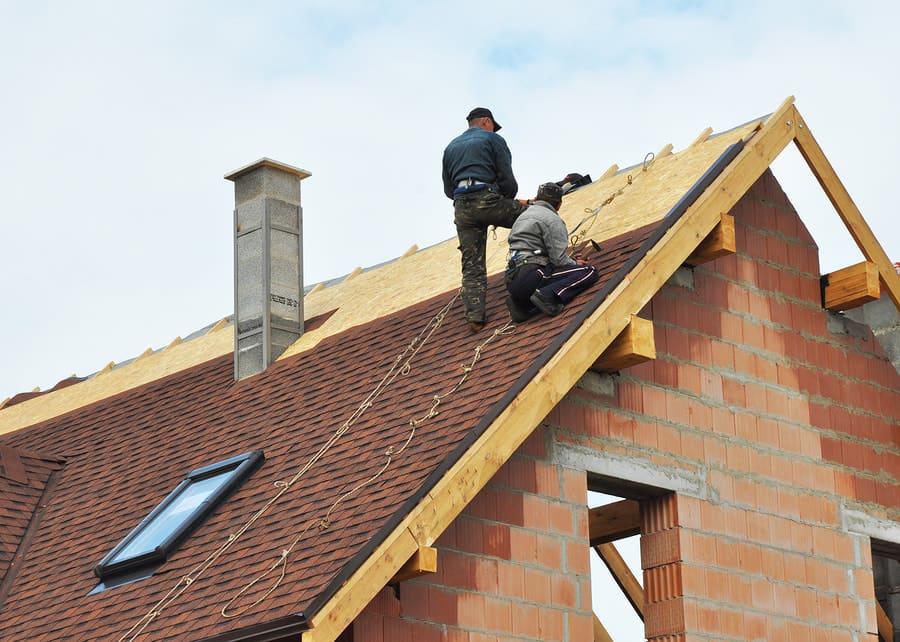
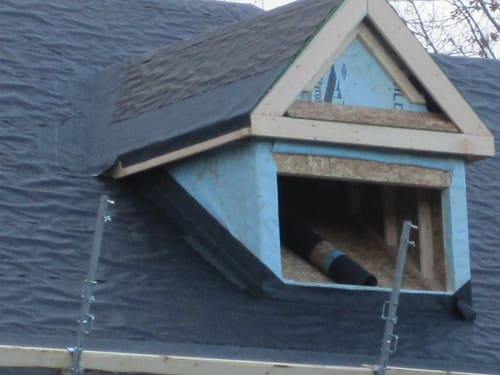
Triage active indoor water, branch openings, torn shingle fields, failed skylights, and unsafe roof sections with clearly limited temporary protection.
Emergency roof repair in Beaverton begins with one question: what must happen now to keep
more rain out safely? An active ceiling drip, branch opening, torn shingle field, displaced
vent, or failed skylight may need a tarp, board-up, or temporary flashing before a permanent
repair is possible. Call (971) 298-7833,
describe the indoor water and visible exterior damage, and stay off wet or mossy shingles.
Protect the Room Without Creating Another Hazard
Move furniture, electronics, rugs, and boxes away from the water path if you can do so
safely. Place a bucket beneath a simple drip and use towels to limit spread across the floor.
Keep clear of wet recessed lights, outlets, extension cords, and sagging drywall. Water can
pool above a ceiling and release suddenly, so do not stand beneath a swollen section while
trying to inspect it.
Take indoor photographs after people and valuables are out of danger. Note when the leak
began, whether it changes with wind, and which wall or roof plane lies above it. A photo from
the ground may show a missing ridge cap, branch, or exposed patch. Climbing for a closer look
adds fall risk and may disturb the evidence the repairer needs to inspect.
How Rain-Event Triage Works
During a sustained rain system, several westside homes may need help at once. Active water
over living space, an open deck, tree impact, and unsafe loose material carry more urgency
than a dry stain or one questionable shingle. Honest routing includes the likely arrival
window and any limits caused by darkness, wind, roof pitch, or unsafe access. It does not
promise a permanent repair while conditions prevent one.
A Dry-In Buys Time; It Does Not Finish the Roof
Temporary protection may cover an entire damaged plane or isolate one penetration. The crew
might fasten a tarp beyond the opening, board damaged sheathing, or create a short-term
flashing seal. The method depends on the failure and what can be reached safely. Emergency
tarp or dry-in work commonly falls in the $350-$850 planning range, with the exact quote set
by height, weather, access, and opening size.
Ask which area is protected, where water may still travel, and what conditions could loosen
the temporary work. The answer should be specific enough for you to monitor the right room
during the next rain. Continue using buckets where needed and call again if the leak shifts,
the tarp moves, or a ceiling condition becomes unsafe.
A dry-in stabilizes the opening until safe conditions allow the lasting repair.
Permanent Work Starts With a Fresh Inspection
When the roof is safe and dry enough, the temporary cover is not the diagnosis. The
contractor checks the shingles, underlayment, sheathing, flashing, penetrations, and attic
clues around the opening. A wind-lifted field may need matched shingles. A branch hole may
require a deck patch. A leaking skylight can need curb flashing rather than a surface smear.
See the leak-tracing process for how the indoor stain is
connected to the roof entry point.
Document Weather Damage Without Waiting on a Claim
Photos of the temporary condition, removed materials, and finished repair give you a useful
record. The storm damage guide explains how wind and
branch conditions are documented. Insurance carriers make coverage decisions, so emergency
protection should be based on the need to limit damage rather than a promised claim result.
Know the Next Price Before Authorizing Permanent Work
The dry-in price and permanent repair price are separate unless the written scope clearly
combines them. Review the roof plane, materials, sheathing assumptions, disposal, cleanup,
and workmanship terms. The Beaverton cost guide provides
planning ranges for minor, moderate, and major repairs, but only the post-dry-in inspection
can assign the lasting work to the right tier.
Emergency service is successful when the house is stabilized, the temporary limits are
understood, and the permanent path is documented. That may mean a small repair as soon as
the weather clears, or a larger roof decision after hidden wet material is exposed. Either
way, the first safe step is to call, protect the interior, and leave the roof surface alone.
Frequently Asked Questions
What details help a roofer triage an active Beaverton leak?
Share the address, room where water appears, whether it is dripping or staining, nearby lights or outlets, visible branches or missing shingles, roof height, and safe access information. Ground-level and indoor photos help. Do not climb onto the roof to provide them.
What should I do with a ceiling bulge full of water?
Keep people away from the area, especially if lights, wiring, or a sagging ceiling are involved. Protect the floor only from a safe position. If you are uncertain about electrical or structural danger, leave the room and seek appropriate emergency help before handling the water.
How long can an emergency roof tarp stay in place?
A tarp is temporary and its useful life depends on attachment, wind, slope, opening size, and continuing weather. The contractor should state what the dry-in covers, its limits, and when the permanent inspection or repair can be scheduled.
Is tree removal included with roof emergency work?
Tree handling and roof repair are different scopes. A roofing contractor can assess the roof once the site is safe, but unstable or suspended tree material may require qualified tree removal first. Ask who is responsible for each step before work begins.